Dream Finders Homes is expanding its Reverie active adult brand with a line of Resort Lifestyle communities that do away with formal age restrictions, HousingWire reports. The move takes Reverie beyond the traditional 55-plus format and aims it at Generation X empty nesters — buyers in their 50s and early 60s who want resort amenities and a built-in social scene without an age-gated address.
In announcing the expansion, the Jacksonville, Florida-based homebuilder said the shift reflects how buyers now approach their next chapter: prioritizing wellness, social connection, flexibility, experiences, and low-maintenance living rather than defining themselves by age or retirement. "Today's buyers are increasingly focused on how they want to live, not simply the age group they belong to," said David Smith, the company's vice president of active adult, who stressed that the expansion "is not a move away from active adult living" — Reverie will continue to operate age-restricted communities alongside the new format.
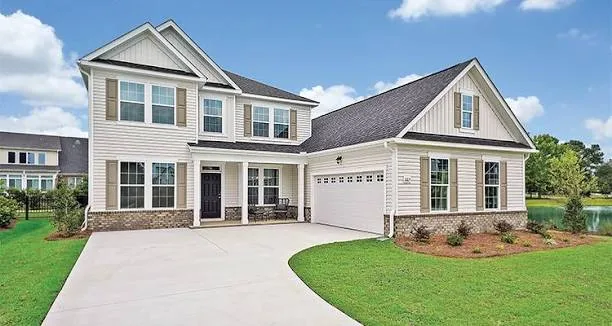
The Resort Lifestyle line keeps the hospitality-driven formula the brand was built on: amenity campuses representing roughly $9 million investments that serve as hubs for wellness, recreation, and curated social programming, organized around Reverie's three pillars of Connect, Explore, and Thrive. Home designs emphasize main-level living, with owner's suites and laundry on the first floor, open entertaining spaces, and flexible rooms for guests and hobbies.
Early moves include Reverie at Looking Glass in Parker, Colorado, which is being repositioned as a Resort Lifestyle community, joining locations such as Reverie at TrailMark in St. Augustine, Florida. The brand's footprint spans Florida, North Carolina, Tennessee, and Colorado.
Dream Finders Homes, which trades on the New York Stock Exchange under the ticker DFH, has grown into one of the country's larger production homebuilders and was named Builder magazine's 2025 National Builder of the Year. The Reverie expansion gives the company a dedicated vehicle for one of housing's most closely watched demographics: empty nesters shopping for their next home on lifestyle rather than age.