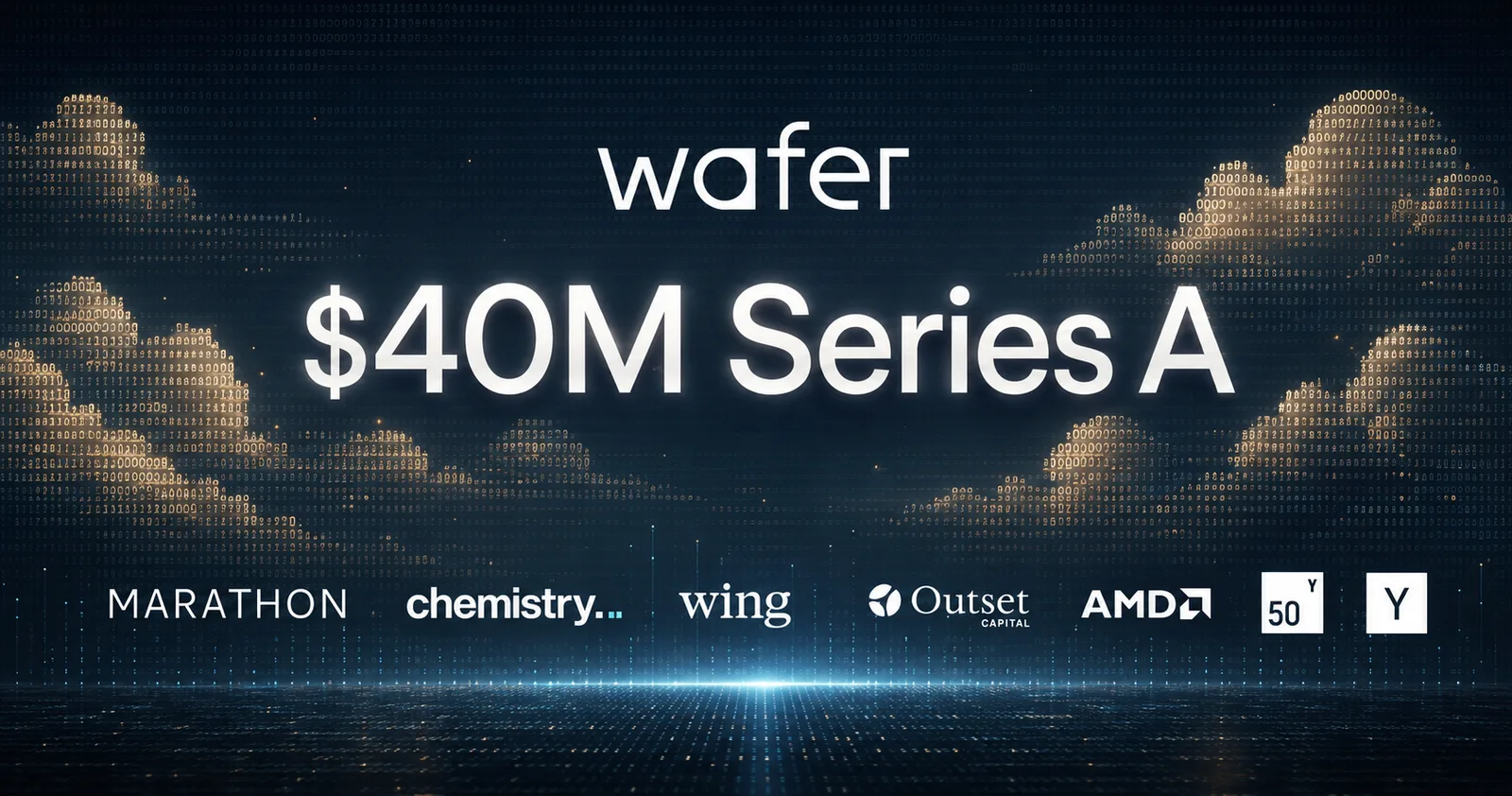
Wafer raised a $40 million Series A, the company said Sept. 1, 2026, in a post on X and a blog post signed by co-founder Emilio Andere.
Marathon and Chemistry co-led the financing. Wing, AMD Ventures and Outset Capital participated, while existing investors Fifty Years and Y Combinator invested again.
The San Francisco company said it will use the capital to automate more of the work involved in optimizing AI inference. According to Wafer, much of that work remains manual, requires extensive service work and happens only once before deployment.
Wafer’s software analyzes a workload’s traffic and performance requirements, then searches across the model, serving engine, kernels and hardware for a better deployment. The company says this allows the system to continue improving after it goes into production.
DigitalOcean said it used Wafer’s agent on AMD GPUs in internal tests. The tests increased Kimi 2.5 output from 22.5 to 255.2 tokens per second and DeepSeek V3.2 single-request output from 38.5 to 200.8 tokens per second. DigitalOcean cautioned that customer results may vary.
Wafer’s website says its product has handled more than 2 trillion tokens through what it calls continual inference.
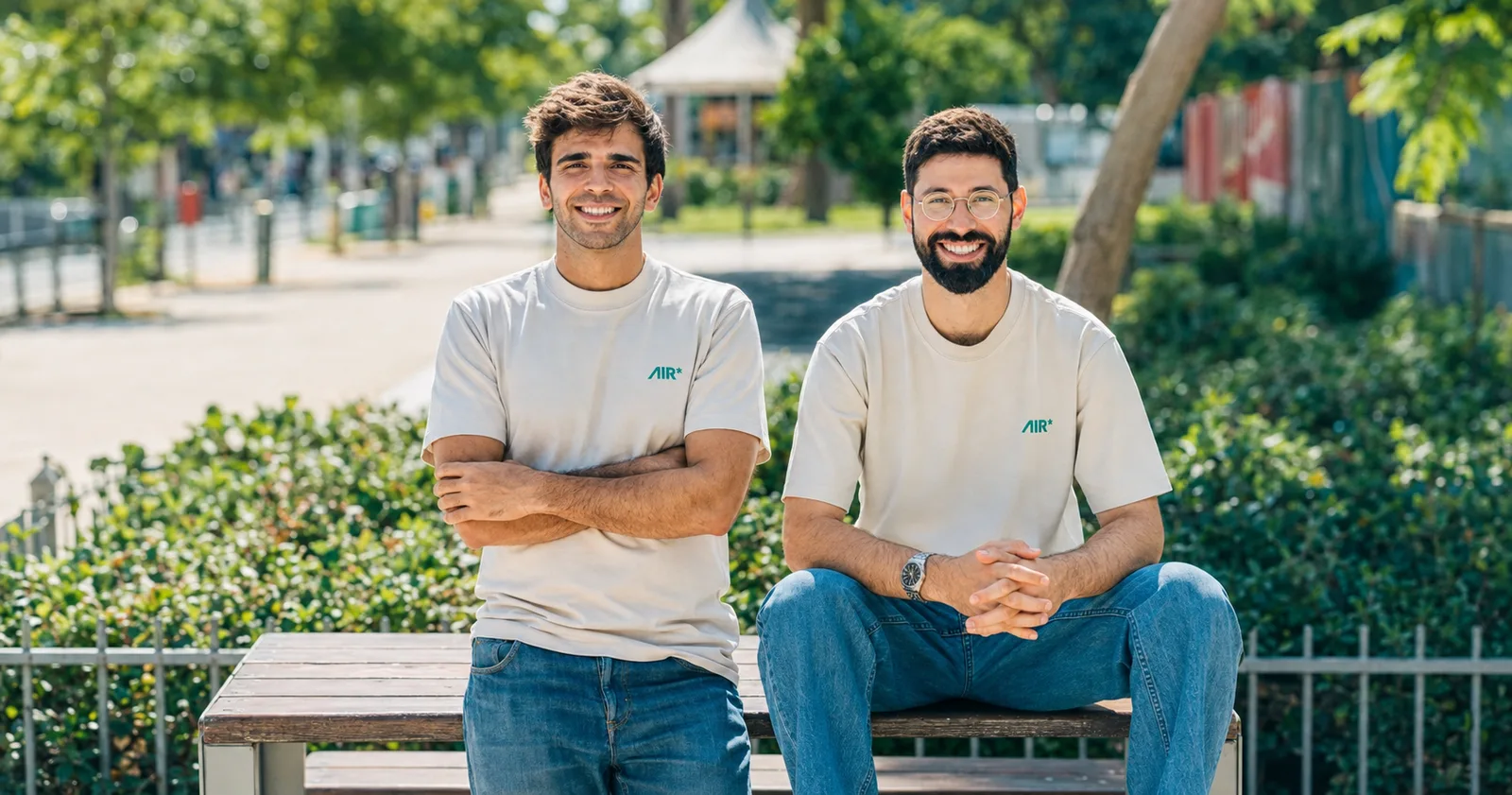
The company previously raised a $4 million seed round led by Fifty Years in April 2026. Andere and co-founder Steven Arellano met as University of Chicago undergraduates and were senior-year roommates when they developed the idea for Wafer.
Arellano previously worked on infrastructure for Google’s Bard and on performance at Two Sigma. Andere trained weather models at Argonne and published machine-learning security research. Wafer describes its staff as a small, in-person team in San Francisco.
Individual investors in the Series A included Jeff Dean, Guillermo Rauch, Andy Fang, Kyle Vogt, Akshay Kothari, Matthew Prince and Scott Stephenson.